
TL;DR: The real estate industry continues to evolve through AI, automation, sustainability, virtual property experiences, and changing buyer expectations. Agents and brokerages that embrace technology while delivering personalized service will be better positioned to attract clients and market listings more effectively. These trends highlight where real estate marketing and brokerage operations are headed—and how to stay ahead.
The real estate industry is constantly evolving as buyer expectations, technology, and economic conditions continue to change. While market cycles come and go, several long-term trends are reshaping how properties are marketed, bought, and sold.
From AI-powered marketing and virtual property tours to sustainable homes and changing work patterns, today’s agents need to understand more than market data alone. Staying informed helps you better advise clients, adapt your marketing strategy, and position your brokerage for long-term success.
In this guide, we’ll explore nine of the most important real estate industry trends influencing the market today and discuss how forward-thinking agents can turn these changes into opportunities.
1. Sustainable Living Continues to Shape Buyer Preferences
 Source
Sustainability has become a major consideration for homebuyers, developers, and investors. Buyers increasingly value homes that reduce energy consumption, lower operating costs, and support environmentally responsible living.
Research consistently shows that consumers prefer businesses and products that demonstrate environmental responsibility. As a result, sustainable homes continue to attract attention across many real estate markets.
For agents, understanding sustainable building features has become an important competitive advantage. Being able to explain energy savings, long-term maintenance benefits, and environmentally friendly construction helps buyers make more informed decisions.
Green Building Practices
Builders and developers continue investing in construction methods that improve efficiency while reducing environmental impact. Common sustainable features include:
- Solar panels that reduce long-term energy costs.
- Rainwater harvesting systems that conserve water and improve sustainability.
- Energy-efficient windows that improve insulation and reduce heating and cooling expenses.
- Green roofs that improve insulation, reduce stormwater runoff, and contribute to healthier urban environments.
- Zero-energy and low-energy homes designed to dramatically reduce overall energy consumption.
As sustainability becomes more mainstream, highlighting eco-friendly property features will play a larger role in listing presentations and marketing materials.
2. Virtual Property Tours Continue to Improve the Buying Experience
 Source
Virtual reality (VR), 3D property tours, and interactive walkthroughs have become valuable tools for modern real estate marketing. They allow buyers to explore homes remotely, helping them narrow their options before scheduling in-person visits.
This technology is particularly valuable for relocation buyers, international clients, investors, and busy professionals who may not be able to visit every property in person.
Creating Immersive Property Experiences
Imagine working with buyers relocating across the country. Instead of relying solely on static photos, you can guide them through a realistic virtual walkthrough that showcases room layouts, finishes, natural lighting, and flow throughout the home.
Virtual tours help:
- Reduce unnecessary property visits.
- Improve buyer confidence before scheduling showings.
- Expand your marketing reach beyond local buyers.
- Create more engaging listing presentations.
When combined with professional photography, listing videos, and strong property descriptions, virtual tours create a richer buying experience. Learn how to strengthen your overall listing marketing with these real estate listing video tips.
3. AI Is Transforming Real Estate Marketing and Operations
Artificial intelligence is becoming one of the most influential technologies in real estate. Rather than replacing agents, AI helps automate repetitive tasks, analyze market data, accelerate marketing production, and improve client communication.
Today, AI supports everything from listing descriptions and social media content to predictive analytics, lead nurturing, and workflow automation. For many brokerages, AI has become an important tool for improving efficiency while maintaining consistent branding.
For a deeper look at practical applications, explore our guide to AI prompts for real estate professionals.
AI is increasingly being used to support:
- Market analysis and forecasting.
- Property valuation insights.
- Automated marketing workflows.
- Listing content generation.
- Client communication.
- Personalized marketing campaigns.
How AI Supports Modern Brokerages
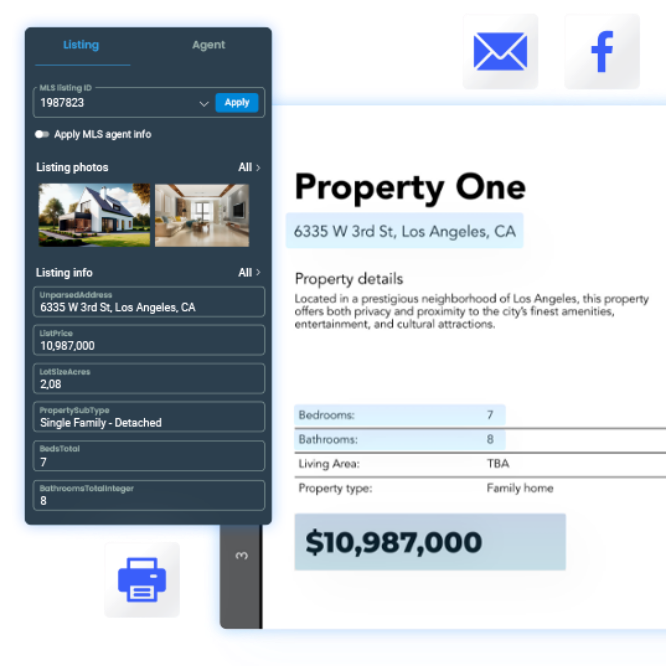
Marketing remains one of the most time-consuming responsibilities for real estate teams. Creating brochures, social media graphics, listing campaigns, emails, and branded assets manually often leads to inconsistent branding and lost productivity.
Xara helps brokerages automate much of this work through AI-powered marketing workflows.
With Xara, teams can:
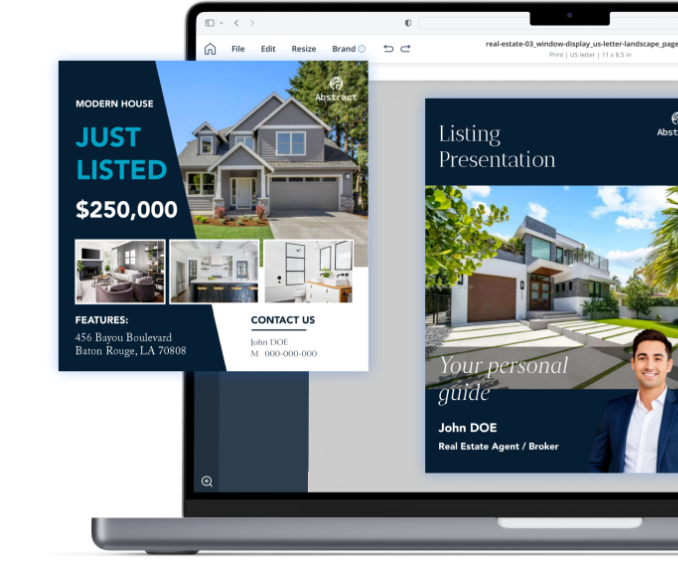
- Create branded marketing materials in minutes.
- Maintain brand consistency across every listing.
- Generate marketing content at scale.
- Support agents with automated listing marketing.
- Reduce repetitive design work.
Instead of relying solely on templates, brokerages can use Marketing Automation for Real Estate to streamline campaign production while ensuring every brochure, flyer, social graphic, and listing asset stays on brand.
Teams looking to automate social content alongside listing campaigns can also use the AI Social Media Manager to generate and schedule branded posts more efficiently.
The result is a faster, more scalable marketing workflow that allows agents to spend less time producing marketing materials and more time serving clients and growing their business.
4. Blockchain and Decentralized Finance Are Expanding Real Estate Opportunities
 Source
Blockchain technology and decentralized finance (DeFi) continue to influence how real estate transactions are managed, financed, and recorded. While adoption varies across markets, these technologies are creating new opportunities for investors and helping improve transparency throughout the transaction process.
For brokerages and agents, understanding these developments can help explain emerging investment models and prepare clients for future changes in property transactions.
Property Tokenization
Traditional real estate investments often require significant capital and involve multiple intermediaries. Property tokenization introduces an alternative model by dividing ownership into digital shares, allowing investors to purchase fractional interests in a property.
Potential benefits include:
- Lower barriers to real estate investment.
- Greater liquidity for certain property assets.
- Broader access for individual investors.
- More flexible ownership structures.
Although tokenization is still developing in many markets, it represents one of the more closely watched innovations in commercial and investment real estate.
Smart Contracts
Blockchain also enables smart contracts—digital agreements that automatically execute when predefined conditions are met.
For example, a smart contract can:
- Record the agreed purchase terms.
- Verify required conditions have been satisfied.
- Release funds once contractual milestones are completed.
- Reduce administrative delays and manual paperwork.
While traditional legal and regulatory processes still apply, smart contracts have the potential to improve transaction efficiency and reduce processing time.
5. Smart Homes Continue to Increase in Demand
 Source
Smart home technology has evolved from a luxury feature into an important selling point for many buyers. Connected devices that improve convenience, energy efficiency, and security are increasingly influencing purchasing decisions.
Today’s buyers often look for features such as:
- Smart thermostats.
- Connected security systems.
- Video doorbells.
- Voice-controlled lighting.
- Automated climate control.
- Energy monitoring systems.
Agents who understand these technologies can better explain their value during listing presentations and property tours.
When marketing these homes, highlight both lifestyle benefits and potential long-term cost savings. Combining strong property descriptions with effective marketing materials helps communicate those advantages more clearly. For inspiration, explore these real estate marketing materials.
6. Remote and Hybrid Work Continue to Influence Housing Demand
Remote and hybrid work have permanently changed how many buyers evaluate potential homes. Rather than prioritizing a short commute, buyers increasingly consider factors such as available workspace, lifestyle, affordability, and quality of life.
As a result, suburban communities, secondary cities, and rural markets continue to attract buyers seeking more space and flexibility.
Several trends continue to shape buyer behavior:
- Growing demand for dedicated home offices.
- Increased interest in flexible floor plans.
- Greater emphasis on outdoor living spaces.
- Higher demand for reliable internet connectivity.
- Lifestyle considerations becoming as important as commute times.
Agents who understand these changing priorities can better position listings by emphasizing features that align with today’s buyer preferences.
For example, highlighting a finished basement as a home office, a detached studio, or a quiet workspace may resonate more strongly than simply listing square footage.
As buyer behavior evolves, successful marketing also becomes more targeted. Understanding your audience—and delivering the right message through social media, email, and listing campaigns—helps generate higher-quality leads. Learn more about building an effective real estate marketing plan that adapts to changing market trends.
7. Hybrid Real Estate Services Are Becoming the Standard
Hybrid real estate combines digital convenience with personalized agent expertise. Rather than replacing traditional services, technology enhances the buying and selling experience by allowing clients to choose how they interact throughout the transaction.
Many buyers now expect to move seamlessly between online research, virtual tours, digital document signing, and in-person property visits. Brokerages that offer both self-service tools and personalized guidance are better positioned to meet these expectations.
A More Flexible Client Experience
Some clients prefer managing much of the buying journey online, while others value face-to-face support from an experienced agent. A hybrid approach accommodates both preferences.
Digital tools allow clients to:
- Browse available listings.
- Take virtual property tours.
- Schedule showings online.
- Review documents electronically.
- Communicate with agents more efficiently.
At the same time, experienced agents continue to provide the market knowledge, negotiation skills, and local expertise that technology alone cannot replace.
Data-Driven Decision Making
Modern buyers and investors have access to more information than ever before. Market reports, neighborhood data, pricing trends, demographic insights, and comparable sales all contribute to more informed purchasing decisions.
For agents, the opportunity lies in turning data into meaningful guidance.
Rather than simply sharing statistics, successful professionals explain:
- How local market conditions affect pricing.
- Which neighborhoods align with a buyer’s goals.
- How inventory levels influence negotiations.
- What long-term trends may impact property values.
Combining market expertise with AI-assisted insights allows agents to deliver more personalized recommendations while strengthening client trust.
8. Affordable Housing Remains a Major Industry Focus
 Source
Housing affordability continues to be one of the most significant challenges affecting buyers, developers, and policymakers. Rising construction costs, limited inventory, and financing challenges have increased demand for affordable housing solutions across many markets.
For real estate professionals, understanding affordability programs and financing options can create opportunities to better serve first-time buyers and underserved market segments.
Agents should stay informed about:
- Affordable housing initiatives.
- Government grants and assistance programs.
- Down payment assistance options.
- Financing solutions for first-time homebuyers.
- Local housing incentives.
Helping clients navigate these resources adds value beyond simply finding a property.
Mortgage Rates Continue to Influence Buyer Activity
Mortgage rates remain one of the most important factors affecting housing demand. Changes in borrowing costs influence affordability, purchasing power, and overall market activity.
When rates rise, some buyers delay purchases or adjust their budgets. When rates stabilize or decline, demand often increases as financing becomes more accessible.
Rather than trying to predict interest rate movements, successful agents educate clients about current market conditions and help them understand how financing decisions fit into their long-term goals.
Staying informed about mortgage trends also helps agents create more relevant marketing content and communicate confidently with prospective buyers.
9. Home Prices and Inventory Continue to Shape Market Conditions
Housing inventory and pricing remain two of the strongest forces influencing today’s real estate market. While conditions vary by location, many regions continue to experience limited inventory alongside steady buyer demand.
Changing Home Prices
Home values continue to respond to local supply, demand, interest rates, and economic conditions. Rather than focusing solely on national averages, successful agents monitor neighborhood-level trends to provide more accurate guidance.
Buyers increasingly expect agents to explain:
- Current pricing trends.
- Comparable property values.
- Inventory levels.
- Market competition.
- Potential negotiation opportunities.
Providing local expertise builds credibility and helps buyers make more informed decisions.
Limited Housing Inventory
Low inventory remains a challenge in many markets. Fewer available properties often lead to stronger competition, faster sales, and increased pressure on buyers.
For agents, this environment makes proactive marketing even more important.
Generating listings, nurturing seller relationships, and maintaining consistent visibility within your target market become essential strategies during periods of constrained inventory.
Brokerages using automated marketing workflows can stay in front of buyers and sellers more consistently through branded listing campaigns, email marketing, social media, and local advertising. For additional ideas, explore our guides to generating real estate leads and brokerage marketing tactics.
Strategies for Real Estate Professionals to Stay Competitive
 Source
The real estate industry will continue to evolve as technology, buyer expectations, and market conditions change. While no one can predict every shift, successful agents and brokerages consistently adapt, invest in new tools, and refine their marketing strategies.
The most effective professionals combine local market expertise with technology that helps them work more efficiently and deliver a better client experience.
Here are seven practical strategies to help your business stay competitive.
- Adopt AI-powered marketing workflows. Automate repetitive marketing tasks so you can spend more time advising clients and building relationships. AI can help generate listing content, branded marketing materials, and social media campaigns while maintaining consistency across every listing.
“`
- Highlight sustainability and lifestyle benefits. Buyers increasingly value energy efficiency, smart home technology, and environmentally friendly features. Make these selling points more visible in your brochures, listing presentations, and digital campaigns. For inspiration, browse these real estate marketing materials.
- Understand changing buyer priorities. Remote work, affordability, and flexible living continue to influence purchasing decisions. Tailor your messaging to address what matters most to your target audience rather than relying on generic listing descriptions.
- Stay informed about financing and affordability programs. Knowledge of mortgage trends, local incentives, and first-time buyer programs helps you become a more valuable advisor throughout the buying process.
- Build long-term relationships within your community. Develop partnerships with local businesses, lenders, builders, and service providers while strengthening your visibility through real estate farming and community-focused marketing.
- Create a consistent marketing presence. Buyers and sellers often interact with your brand across multiple channels before contacting you. Consistent branding across brochures, social media, email campaigns, listing pages, and print marketing helps build familiarity and trust.
- Continue learning and adapting. Technology and buyer expectations will continue to evolve. Agents who embrace new tools while maintaining exceptional client service will be better positioned for long-term success.
“`
Scale Your Marketing with Xara
Growing a brokerage requires more than great agents—it requires a marketing system that can scale.
Xara helps brokerages automate listing marketing while maintaining brand consistency across every campaign. Instead of relying on disconnected tools or manual design work, teams can create professional, on-brand marketing assets in minutes.
With Xara, brokerages can:
- Automate branded listing marketing.
- Create marketing campaigns at scale.
- Generate AI-assisted social media content.
- Maintain consistent branding across every office and agent.
- Reduce time spent producing marketing materials.
Learn how Marketing Automation for Real Estate helps streamline brokerage marketing workflows, or explore the AI Social Media Manager to automate branded social media alongside your listing campaigns.
Stay Ahead of Real Estate Industry Trends with Xara
The real estate market will continue to change, but one thing remains constant: brokerages that combine market expertise with efficient marketing systems are better equipped to adapt.
By embracing AI-powered marketing, automation, high-quality content, and consistent branding, agents can respond more quickly to market changes while delivering a better client experience.
Whether you’re promoting a single listing or managing marketing across an entire brokerage, Xara helps simplify campaign creation, maintain brand consistency, and support scalable growth.
Start creating AI-powered real estate marketing for free
Frequently Asked Questions
Q: What are the biggest trends shaping the real estate industry?
A: Some of the most significant trends include AI-powered marketing, marketing automation, sustainable housing, virtual property tours, smart home technology, changing buyer preferences, remote work, and data-driven decision-making.
Q: How is AI changing real estate?
A: AI helps automate listing marketing, generate property descriptions, create branded marketing materials, analyze market data, support client communication, and improve operational efficiency for agents and brokerages.
Q: Are virtual property tours still important?
A: Yes. Virtual tours help buyers explore listings remotely, improve engagement, reduce unnecessary property visits, and expand your reach to relocation and international buyers.
Q: Why is sustainability becoming more important in real estate?
A: Buyers increasingly value energy-efficient homes, lower operating costs, and environmentally responsible building practices. Highlighting sustainable features can help differentiate listings and appeal to modern buyers.
Q: How can brokerages adapt to changing market conditions?
A: Successful brokerages invest in technology, automate repetitive marketing tasks, maintain consistent branding, monitor local market trends, and create scalable marketing workflows that allow agents to focus more on client relationships.
Q: How does Xara help real estate brokerages?
A: Xara helps brokerages automate listing marketing, generate branded campaigns, produce AI-assisted social media content, and maintain consistent branding across every marketing channel, making it easier to scale marketing while saving time.

Book a free 1:1 coaching session with our Xara experts
Brokers, empower your team with a Marketing Center.
- Equip your sellers with marketing content on-demand.
- Unlock higher performance and productivity for brand and agent teams.
- Automate content, branding, and copywriting.






 No credit card or phone number required.